How to get into ketosis faster: the five levers that actually matter

Updated September 2026 · reviewed by the KetoVera Research Team. We are an independent information resource, not a medical provider, and this article is educational rather than medical advice.
Getting into ketosis faster comes down to a handful of levers: lowering carbohydrate intake, keeping protein and fat adequate, moving your body, and giving the transition a few consistent days to take hold. This guide walks through each lever in plain language, explains the signs that tell you it is working, and shows where a botanical formula like KetoVera can play a supporting role.
The fastest, safest route into ketosis, in one place.
- The goal
- Lower carbohydrates enough that your body switches from burning glucose to burning fat and making ketones for fuel.
- Biggest levers
- Very low carbs, adequate protein and fat, daily movement, good hydration and a little patience over two to four days.
- Speed trick
- A short overnight fast plus a brisk morning walk draws down stored glucose, so your body turns to fat sooner.
- Where supplements fit
- Nutrients such as chromium, green tea and African mango support metabolism and appetite — they do not force ketosis on their own.
- Timeframe
- Most people reach ketosis in two to four days; a smoother, adapted feeling usually follows over a couple of weeks, and results vary.
If you have ever started a low-carb plan and wondered why the promised energy took a while to arrive, you have met the adaptation window. The same handful of habits both speed the switch and make it more comfortable, and KetoVera is designed as a daily companion to them.

What is ketosis, in plain language?
Ketosis is a normal metabolic state your body can enter when dietary carbohydrate runs low. With less glucose available, the liver begins converting fat into molecules called ketones, which your brain and muscles can use for fuel. It is not an emergency mode; humans have shifted in and out of light ketosis for as long as meals have been irregular. The keto diet simply makes that shift deliberate by keeping carbohydrates low, protein moderate and fat the main source of calories. A review of nutritional ketosis for weight management describes the same mechanism and the same carbohydrate threshold most people need to cross (Gershuni VM et al., “Nutritional ketosis for weight management and reversal of metabolic syndrome,” Current Nutrition Reports, 2018).
Two ideas anchor everything below: consistency beats intensity, and the habits stack — each one nudges you toward ketosis a little, and together they get you there faster and more comfortably.
Why does it take a few days?
Your body keeps a reserve of carbohydrate called glycogen in the liver and muscles. Until that reserve is drawn down, there is little reason for your metabolism to reach for fat. Lowering carbohydrate intake, adding movement and allowing an overnight fast all help empty those stores sooner. Once they are low, the switch to fat-burning follows naturally — usually within two to four days, though it can take up to a week.
What are the most effective habits to speed it up?
1. Bring carbohydrates genuinely low
This is the single most important lever. Most people reach ketosis by keeping net carbohydrates modest and steady each day, focusing meals on non-starchy vegetables, quality protein and healthy fats. If you are not sure which foods those are, our list of the best foods for a keto diet sets out the groups to build every plate around and the net-carb figures that go with them. Hidden carbohydrates in sauces, drinks and snacks are the usual reason the switch stalls, so reading labels early pays off.
2. Keep protein adequate and fat satisfying
Protein protects muscle and keeps you full; fat becomes your main fuel. Aim for a sensible protein portion at each meal and let whole-food fats — olive oil, avocado, nuts, eggs, oily fish — round out the plate. Satisfying meals make the low-carb window far easier to sustain.
3. Use a short fasting window
Finishing dinner earlier and delaying breakfast lengthens the overnight fast, which helps deplete glycogen and encourages the shift to fat. Even a gentle 12-to-14-hour window is enough for many people; there is no need for extremes.

4. Move your body daily
Activity draws glucose out of your muscles, and once those stores are lower your body reaches for fat more readily. A brisk daily walk, light strength work, or a short bike ride all count — no gym required. Movement first thing, before eating, can be especially effective.
5. Hydrate and mind your electrolytes
As glycogen falls, your body sheds water and minerals with it. Drinking enough water and replacing sodium, potassium and magnesium is the simplest way to sidestep the brief slump some call the keto flu. That slump is real enough to have been catalogued: an analysis of self-reported experiences found the commonest complaints were fatigue, headache and nausea, mostly in the first week and mostly resolving on their own (Bostock ECS et al., “Consumer reports of ‘keto flu’ associated with the ketogenic diet,” Frontiers in Nutrition, 2020).
See how KetoVera fits your routine →
How do you know it is working? Signs of ketosis
You do not need a lab to get a rough read. The table below lists the common early signals and what they mean. Testing with inexpensive urine strips or a breath meter can add a rough confirmation, though home tools are approximate.
| Sign | Why it happens | When it appears |
|---|---|---|
| Reduced appetite | Ketones and steadier fuel blunt hunger signals | Days 2–5 |
| Metallic or fruity taste | A ketone called acetone leaves via the breath | Days 2–4 |
| More frequent urination | Falling glycogen releases stored water | Days 1–3 |
| Short energy dip (“keto flu”) | The body is adapting to a new fuel | Days 2–5 |
| Steadier, clearer energy | Fat becomes a reliable fuel source | Week 1–2 |
Where do nutrients and supplements fit?
Supplements are a supplement to the habits above, not a substitute, and never a treatment for any condition. It is worth being clear about where the effect in the research comes from: in the randomised trial that put a low-carbohydrate ketogenic diet head to head with a low-fat diet, the diet itself did the work, with no supplement involved (Yancy WS Jr et al., “A low-carbohydrate, ketogenic diet versus a low-fat diet to treat obesity and hyperlipidemia,” Annals of Internal Medicine, 2004). That said, a few nutrients have long been part of the metabolism conversation, several of which appear in KetoVera.
| Nutrient | Why it is discussed | Traditional / general role |
|---|---|---|
| Chromium | Essential trace mineral | Contributes to normal macronutrient metabolism and is often linked with balanced sugar cravings. |
| Green tea | Polyphenol source | Widely studied for general metabolic wellness and everyday energy. |
| African mango | Fibre-rich seed | A traditional West African food popular in metabolism-focused formulas. |
| Coleus forskohlii | Ayurvedic botanical | Its compound forskolin is a common feature of weight-management blends. |
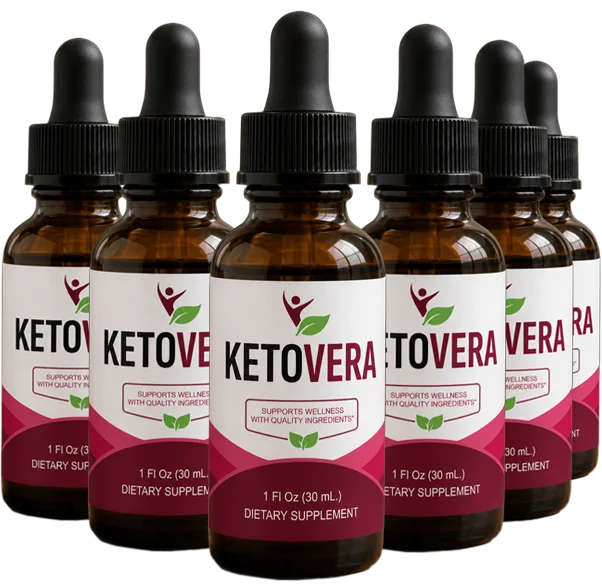
KetoVera brings these together as fast sublingual drops rather than a pill: chromium plus a botanical blend of African mango, green tea, coleus forskohlii, gymnema and guarana. For a closer look, read our keto ingredient guide, or see the full ingredients section.
Make it a daily habit
KetoVera is a once-daily dropper pairing chromium with a botanical blend. The six-bottle bundle is the best value at $49 per bottle, with free U.S. shipping and a 60-day guarantee.
Order KetoVera — from $49/bottleA simple day-one plan
The best plan is the one you will keep. Rather than overhauling everything, stack these steps for your first few days:
- Clear the easy carbs — swap bread, sugary drinks and snacks for whole, low-carb options.
- Anchor each meal in protein and fat so you stay full and steady.
- Finish dinner earlier to lengthen your overnight fast.
- Walk 15–20 minutes in the morning before eating.
- Hydrate and salt your food to keep electrolytes topped up.
- Take your supplement at the same time daily — for KetoVera, one dropper under the tongue.

When should you talk to a doctor?
A keto-style diet suits many healthy adults, but it is not for everyone. Speak with your doctor before starting if you are pregnant or nursing, under 18, take medication (especially for blood sugar or blood pressure), have a diagnosed condition such as diabetes or kidney or liver disease, or notice persistent symptoms. A quick conversation ensures the plan fits safely with your care.
Frequently asked questions
What is ketosis, in simple terms?
Ketosis is a normal metabolic state in which your body, low on dietary carbohydrate, shifts to burning fat and producing molecules called ketones for fuel. It is reached by keeping carbohydrate intake low over several days alongside adequate protein and fat.
How long does it take to get into ketosis?
For most people it takes about two to four days of eating very few carbohydrates, though it can take up to a week. A short fast, daily movement and staying well hydrated can help you reach it a little sooner.
What are the signs I am in ketosis?
Common early signs include reduced appetite, a metallic or fruity taste, more frequent urination, and a short adjustment period sometimes called the keto flu. Home urine or breath testing can offer a rough indication.
Can a supplement put me into ketosis?
No supplement replaces a low-carbohydrate diet. Nutrients such as chromium, green tea and African mango are used to support metabolism and appetite as part of a keto-friendly routine, not to force ketosis on their own.
Does exercise help you reach ketosis faster?
Yes. Activity draws down the glucose stored in your muscles and liver, and once those stores are lower your body turns to fat more readily. Even brisk daily walks and light strength work can help.
Is the keto flu something to worry about?
For most healthy adults it is a brief, temporary adjustment as the body adapts. Staying hydrated and replacing electrolytes usually eases it. If symptoms are severe or persistent, speak with your doctor.
Try KetoVera risk-free for 60 days →
KetoVera is a dietary supplement, not a treatment for any medical condition. These statements have not been evaluated by the Food and Drug Administration. This product is not intended to diagnose, treat, cure or prevent any disease. Always consult a qualified healthcare professional about your individual needs.
References & further reading
- National Center for Complementary and Integrative Health (NCCIH). Ketogenic Diet and Related Research. nccih.nih.gov/health/weight-control
- National Institutes of Health, Office of Dietary Supplements. Chromium — Fact Sheet for Health Professionals. ods.od.nih.gov/factsheets/Chromium-HealthProfessional
- National Center for Complementary and Integrative Health (NCCIH). Green Tea. nccih.nih.gov/health/green-tea
- Gershuni VM, Yan SL, Medici V. Nutritional ketosis for weight management and reversal of metabolic syndrome. Current Nutrition Reports, 2018. PubMed 30128963
- Bostock ECS, Kirkby KC, Taylor BV, Hawrelak JA. Consumer reports of “keto flu” associated with the ketogenic diet. Frontiers in Nutrition, 2020. PubMed 32232045
- Yancy WS Jr, Olsen MK, Guyton JR, Bakst RP, Westman EC. A low-carbohydrate, ketogenic diet versus a low-fat diet to treat obesity and hyperlipidemia: a randomized, controlled trial. Annals of Internal Medicine, 2004. PubMed 15148063
- Onakpoya I, Davies L, Posadzki P, Ernst E. The efficacy of Irvingia gabonensis supplementation in the management of overweight and obesity: a systematic review of randomized controlled trials. Journal of Dietary Supplements, 2013. PubMed 23419021
Every source above is a single identifiable work, not a search results page. They describe diets and individual ingredients in general terms and do not constitute evidence that any product treats, cures or prevents any condition.
Keep reading: the best foods for a keto diet · keto supplement ingredients explained · back to the KetoVera blog · homepage.