Keto supplement ingredients explained: what each one actually does

Updated September 2026 · reviewed by the KetoVera Research Team. We are an independent information resource, not a medical provider, and this article is educational rather than medical advice.
Keto supplements usually combine a small mineral base with a handful of well-known botanicals — chromium, African mango, green tea, forskolin and gymnema among them. This guide explains what each ingredient is, the mechanism in plain language, and exactly what to look for on a label, so you can read any keto formula (including KetoVera) with confidence.
The headline keto ingredients and what each one is for.
- Chromium
- An essential trace mineral that contributes to normal macronutrient metabolism.
- African mango
- A fibre-rich seed traditionally eaten in West Africa and popular in metabolism formulas.
- Green tea
- A rich source of polyphenol antioxidants studied for metabolic wellness and energy.
- Forskolin & gymnema
- Traditional botanicals featured in weight-support and mindful-eating blends.
- The rule
- Ingredients support a keto-friendly diet and activity — they do not replace them.
Ingredient panels can look intimidating, but most keto formulas share the same short cast of characters. Once you know what each one does, comparing products becomes straightforward. Below we walk through the headline actives, then finish with a checklist for reading any label. For how these fit a daily routine, see getting into ketosis faster.

Chromium: the mineral base
Chromium is an essential trace mineral, meaning your body needs a tiny amount and cannot make it. It contributes to normal macronutrient metabolism — the everyday processing of the carbohydrates, fats and proteins in your diet — and it is often included in keto and weight formulas for its traditional association with balanced sugar cravings. Chromium picolinate is a well-studied, readily absorbed form and is a good sign on a label — though a Cochrane systematic review of randomised trials in overweight and obese adults found the weight difference small and the quality of the underlying evidence low (Tian H et al., “Chromium picolinate supplementation for overweight or obese adults,” Cochrane Database of Systematic Reviews, 2013).
African mango: the fibre-rich seed
African mango, or Irvingia gabonensis, is the seed of a West African wild mango and a traditional food in the region. Its appeal in supplements comes largely from its fibre content, which is why it appears so often in metabolism- and weight-focused blends. A systematic review of the randomised trials that exist described them as few, short and methodologically limited, so treat the ingredient as plausible rather than proven (Onakpoya I et al., “The efficacy of Irvingia gabonensis supplementation in the management of overweight and obesity,” Journal of Dietary Supplements, 2013). As with any botanical, it is a support to a good diet, not a substitute for one.
Green tea: the antioxidant workhorse
Green tea (Camellia sinensis) is one of the most consumed beverages on earth and a rich natural source of polyphenol antioxidants, especially a group called catechins. It is widely studied for general metabolic wellness and is valued for the clean, everyday energy it can provide, A meta-analysis of green tea catechin trials reported a small effect on weight loss and weight maintenance (Hursel R et al., “The effects of green tea on weight loss and weight maintenance: a meta-analysis,” International Journal of Obesity, 2009) — small being the operative word, which is why it is a near-universal feature of keto and weight-support formulas without ever being the reason any of them work.
Forskolin and gymnema: the traditional botanicals
Forskolin is the active compound in coleus forskohlii, a member of the mint family used in traditional Ayurvedic practice and a common feature of modern weight-management blends. Gymnema sylvestre, known in Ayurveda as gurmar or “sugar destroyer,” has been used for centuries and is among the most discussed botanicals for supporting mindful, balanced eating. The human evidence for both is thin and worth reading carefully: the most cited forskolin study in overweight and obese men reported changes in body composition without a change in body weight (Godard MP et al., Obesity Research, 2005), and a systematic review of gymnema in obesity and diabetes management described the data as promising but preliminary (Pothuraju R et al., Journal of the Science of Food and Agriculture, 2014).
See the full KetoVera ingredient list →
The supporting cast
Beyond the headline five, many formulas add energy and metabolism helpers: guarana, an Amazonian seed prized as a natural source of caffeine; maca root, a Peruvian tuber traditionally taken for stamina; raspberry ketones, aromatic compounds popular in metabolism supplements; and L-carnitine, an amino compound the body uses to move fatty acids into the mitochondria. Their evidence bases are very different, and a label will not tell you that. Guarana is one of the most caffeine-dense plant materials known (Schimpl FC et al., Journal of Ethnopharmacology, 2013), so a formula containing it is not caffeine-free. L-carnitine has a meta-analysis of randomised trials behind it reporting a modest average weight reduction (Pooyandjoo M et al., Obesity Reviews, 2016). Raspberry ketone has almost no human evidence at all, as the National Institutes of Health fact sheet on weight-loss supplements sets out plainly.
| Ingredient | What it is | Traditional / general role |
|---|---|---|
| Chromium | Trace mineral | Normal macronutrient metabolism; balanced cravings |
| African mango | Fibre-rich seed | Metabolism- and weight-focused formulas |
| Green tea | Polyphenol source | Metabolic wellness and everyday energy |
| Coleus forskohlii | Ayurvedic herb | Weight-management blends (forskolin) |
| Gymnema | Ayurvedic leaf | Mindful, balanced eating |
| Guarana & maca | Seed & root | Natural energy and stamina |
How to read a keto supplement label
Once you know the cast, a label tells you most of what you need. Use this quick checklist to compare products fairly.
| Look for | Why it matters |
|---|---|
| Named forms (e.g. chromium picolinate) | Specific forms are better studied and better absorbed |
| A clear ingredient list | You can see exactly what you are taking |
| Independent references | Shows the maker points to real, general science |
| Manufacturing standards | GMP and made-in-USA signal quality control |
| Sensible claims | “Supports” language, not disease cures, is a good sign |
| A guarantee | A money-back window lets you try with less risk |
See how KetoVera measures up
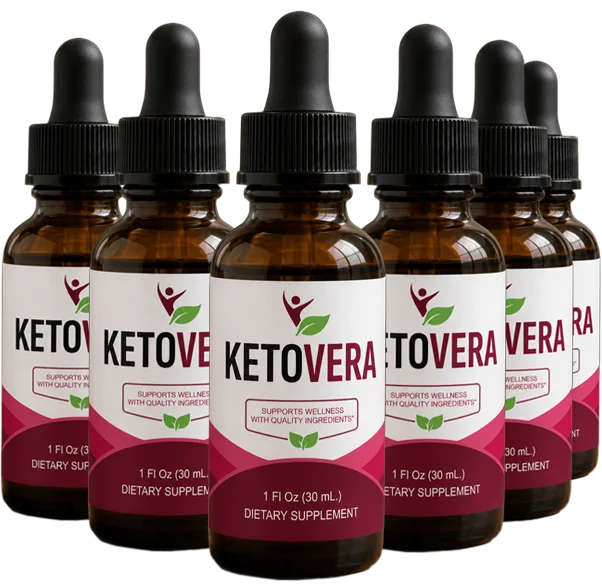
KetoVera pairs chromium with a botanical blend of African mango, green tea, coleus forskohlii, gymnema and guarana. The seller publishes no milligram panel, so no dose is quoted anywhere on this site. The six-bottle bundle is the best value at $49 per bottle, with free U.S. shipping and a 60-day guarantee.
Order KetoVera — from $49/bottleWhy liquid drops?
Format matters for consistency, and consistency is what makes botanicals worthwhile. A liquid you place under the tongue is quick, needs no water, and is easy to remember — a small ritual rather than another capsule on the pile. KetoVera uses a naturally flavored dropper for exactly that reason.

Setting sensible expectations
No ingredient is a shortcut. The botanicals above are best understood as supporting players to a keto-friendly diet — the foods you build each plate around matter far more than anything in a dropper — plus daily movement and good sleep. Effects, where people notice them, tend to build gradually over weeks, and they vary from person to person. Fatigue, stress and poor sleep can blunt any routine, so it is worth addressing those too.

When should you talk to a doctor?
Ingredients that are fine for most healthy adults are not right for everyone. Speak with your doctor before starting a new supplement if you are pregnant or nursing, under 18, take medication (some botanicals interact with common medicines), or have a diagnosed condition. If you notice any adverse reaction, stop and seek advice.

Frequently asked questions
What does chromium do in a keto supplement?
Chromium is an essential trace mineral that contributes to normal macronutrient metabolism — the everyday processing of carbohydrates, fats and proteins. It is often included for its traditional link with balanced sugar cravings alongside a healthy diet.
What is African mango and why is it used?
African mango (Irvingia gabonensis) is the fibre-rich seed of a West African wild mango. It is a traditional food that features in many metabolism- and weight-focused formulas for its fibre content.
How does green tea fit into a keto formula?
Green tea is a rich natural source of polyphenol antioxidants and is widely studied for general metabolic wellness and everyday energy, which is why it is a common feature of keto and weight-support blends.
What is forskolin (coleus forskohlii)?
Forskolin is the active compound in coleus forskohlii, a member of the mint family used in traditional Ayurvedic practice. It is a common feature of modern weight-management supplements.
Why are supplements given as liquid drops?
Liquid drops are convenient and easy to keep up with daily. Placing them under the tongue is a simple routine, and many people prefer a dropper to swallowing another capsule.
Do keto ingredient supplements replace diet and exercise?
No. These ingredients are meant to support metabolism and appetite as part of a balanced, keto-friendly diet and regular activity. They are not a treatment and do not replace whole foods or movement.
Try KetoVera risk-free for 60 days →
KetoVera is a dietary supplement, not a treatment for any medical condition. These statements have not been evaluated by the Food and Drug Administration. This product is not intended to diagnose, treat, cure or prevent any disease. Always consult a qualified healthcare professional about your individual needs.
References & further reading
- National Institutes of Health, Office of Dietary Supplements. Chromium — Fact Sheet for Health Professionals. ods.od.nih.gov/factsheets/Chromium-HealthProfessional
- National Center for Complementary and Integrative Health (NCCIH). Green Tea. nccih.nih.gov/health/green-tea
- Tian H, Guo X, Wang X, et al. Chromium picolinate supplementation for overweight or obese adults. Cochrane Database of Systematic Reviews, 2013. PubMed 24293292
- Hursel R, Viechtbauer W, Westerterp-Plantenga MS. The effects of green tea on weight loss and weight maintenance: a meta-analysis. International Journal of Obesity, 2009. PubMed 19597519
- Onakpoya I, Davies L, Posadzki P, Ernst E. The efficacy of Irvingia gabonensis supplementation in the management of overweight and obesity: a systematic review of randomized controlled trials. Journal of Dietary Supplements, 2013. PubMed 23419021
- Godard MP, Johnson BA, Richmond SR. Body composition and hormonal adaptations associated with forskolin consumption in overweight and obese men. Obesity Research, 2005. PubMed 16129715
- Pothuraju R, Sharma RK, Chagalamarri J, et al. A systematic review of Gymnema sylvestre in obesity and diabetes management. Journal of the Science of Food and Agriculture, 2014. PubMed 24166097
- Pooyandjoo M, Nouhi M, Shab-Bidar S, et al. The effect of (L-)carnitine on weight loss in adults: a systematic review and meta-analysis of randomized controlled trials. Obesity Reviews, 2016. PubMed 27335245
- Schimpl FC, da Silva JF, Gonçalves JF, Mazzafera P. Guarana: revisiting a highly caffeinated plant from the Amazon. Journal of Ethnopharmacology, 2013. PubMed 23981847
- National Institutes of Health, Office of Dietary Supplements. Dietary Supplements for Weight Loss — Fact Sheet for Health Professionals. ods.od.nih.gov/factsheets/WeightLoss-HealthProfessional
- National Institutes of Health, Office of Dietary Supplements. Carnitine — Fact Sheet for Health Professionals. ods.od.nih.gov/factsheets/Carnitine-HealthProfessional
Every source above is a single identifiable work, not a search results page. They describe the individual ingredients in general terms, usually at doses this or any proprietary blend does not disclose, and do not constitute evidence that any product treats, cures or prevents any condition.
Keep reading: how to get into ketosis faster · the best foods for a keto diet · back to the KetoVera blog · homepage.